

The Ultimate Guide to Sports Nutrition | TrainerList.ca
Admin
The Ultimate Guide to Sports Nutrition | TrainerList.ca
Proper sports nutrition is the backbone of athletic performance. Whether you are a professional athlete, weekend warrior, or fitness enthusiast, what you eat and drink can dramatically affect your energy, strength, recovery, and overall results. At TrainerList.ca, we provide expert-backed insights to help you fuel your body for optimal performance.
1. Understand Your Macronutrients
Athletes need a balanced intake of carbohydrates, proteins, and fats:
Carbohydrates: The primary source of energy. Complex carbs like oats, brown rice, and sweet potatoes provide long-lasting fuel. Simple carbs like fruit and energy gels are ideal for pre- or intra-workout energy boosts.
Proteins: Essential for muscle repair and growth. Include lean meats, eggs, dairy, legumes, or protein powders like whey or plant-based options.
Fats: Support endurance and hormone function. Focus on healthy fats from nuts, seeds, avocado, and olive oil.
2. Hydration Is Critical
Dehydration can reduce performance and increase injury risk. Proper hydration strategies include:
Pre-workout: Drink 400–600ml of water 1–2 hours before training.
During workout: Consume fluids regularly; add electrolytes for sessions over an hour.
Post-workout: Replenish lost fluids with water or electrolyte drinks.
3. Timing Your Meals
Meal timing can maximize energy and recovery:
Pre-workout: Eat a meal rich in carbs and moderate protein 2–3 hours before training.
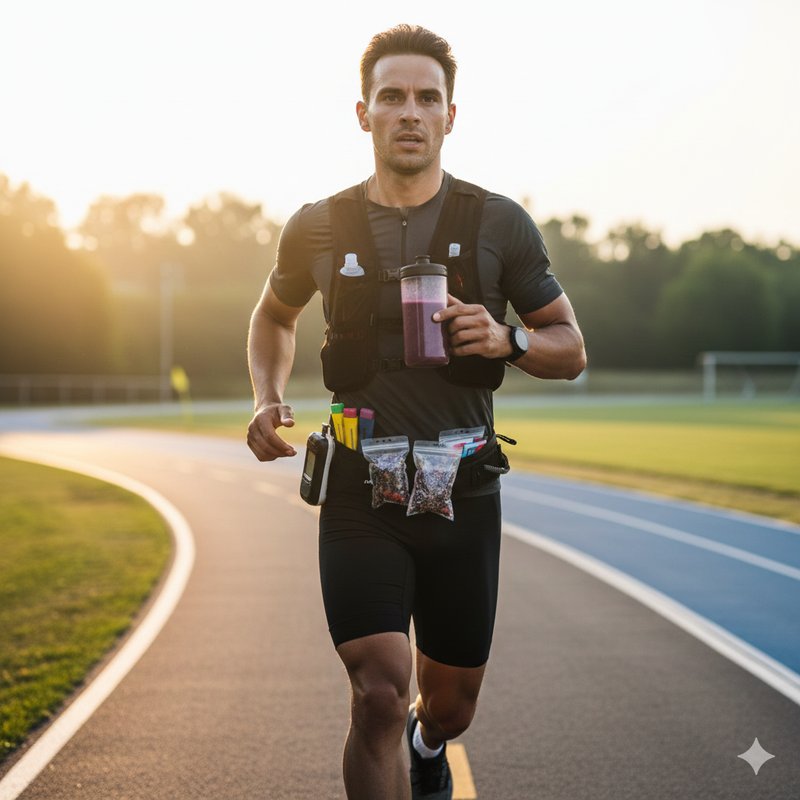
During exercise: For endurance sessions, consume easily digestible carbs to maintain energy.
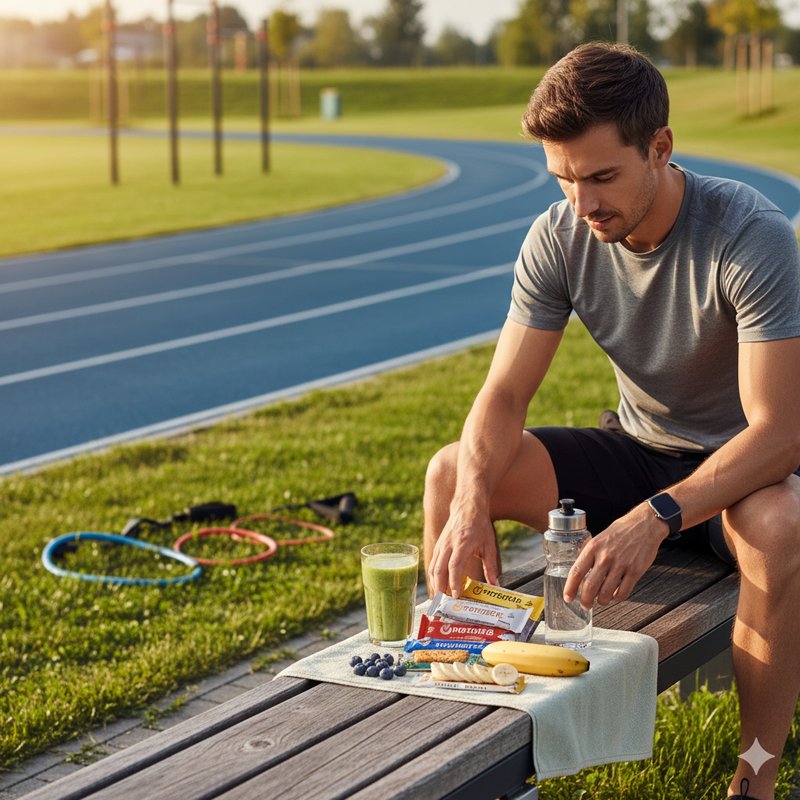
Post-workout: Within 30–60 minutes, eat a carb + protein meal to replenish glycogen and repair muscles.
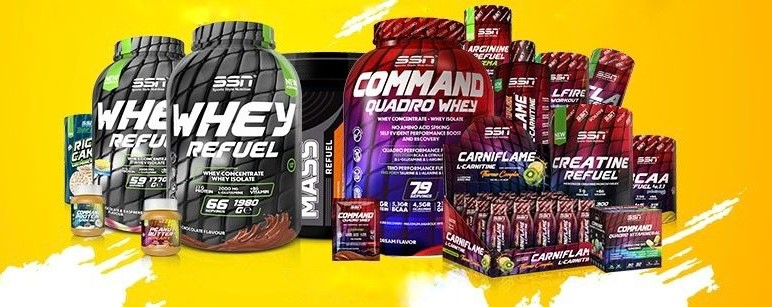
4. Supplements: Enhance, Don’t Replace
Supplements can be helpful, but they should support, not replace, whole foods:
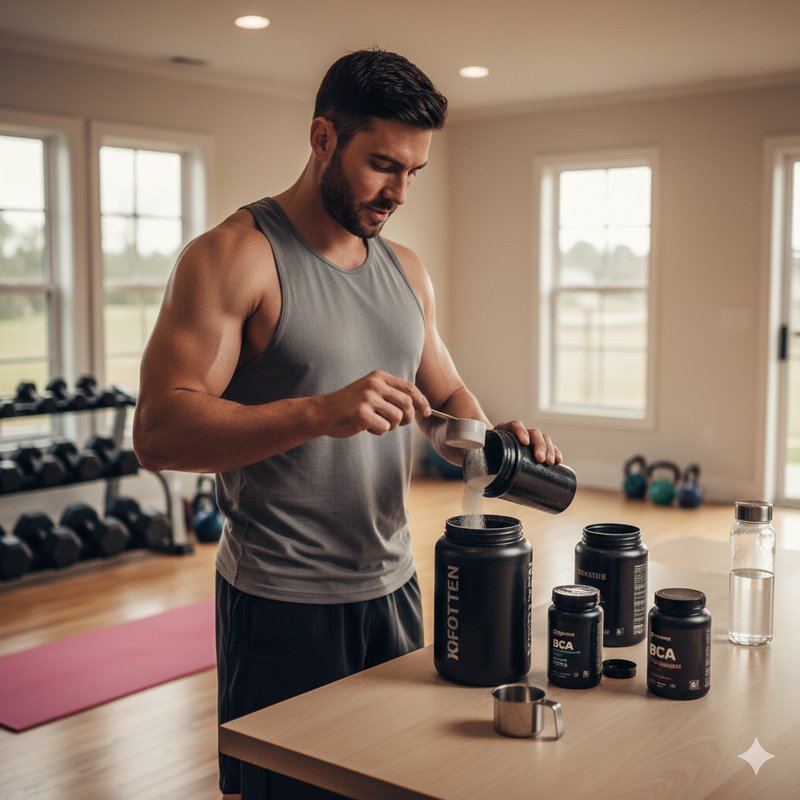
Protein powders for recovery and muscle growth
Creatine to enhance strength and power
Electrolyte supplements for hydration during long sessions
Omega-3 fatty acids for inflammation management
5. Micronutrients for Performance
Vitamins and minerals play a crucial role in athletic health:
Iron: Essential for oxygen transport; found in red meat, spinach, and lentils.
Calcium & Vitamin D: Critical for bone health.
Magnesium & Potassium: Aid muscle function and prevent cramps.
6. Sample Daily Meal Plan for Athletes
Breakfast: Oatmeal with berries, almond butter, and a scoop of whey protein
Snack: Greek yogurt with banana and honey
Lunch: Grilled chicken, quinoa, roasted vegetables
Snack: Nuts and fruit or an energy bar
Dinner: Salmon, brown rice, steamed broccoli
Post-Workout: Protein shake with a banana
Key Takeaways
Good sports nutrition is not about fad diets or skipping meals—it’s about fueling your body strategically. By focusing on balanced macronutrients, proper hydration, meal timing, and targeted supplements, athletes can boost performance, speed up recovery, and maintain overall health.
At TrainerList.ca, we provide practical tips, supplement reviews, and nutrition guides to help athletes reach their full potential.
The Ultimate Guide to Sports Nutrition | TrainerList.ca
Proper sports nutrition is the backbone of athletic performance. Whether you are a professional athlete, weekend warrior, or fitness enthusiast, what you eat and drink can dramatically affect your energy, strength, recovery, and overall results. At TrainerList.ca, we provide expert-backed insights to help you fuel your body for optimal performance.
1. Understand Your Macronutrients
Athletes need a balanced intake of carbohydrates, proteins, and fats:
Carbohydrates: The primary source of energy. Complex carbs like oats, brown rice, and sweet potatoes provide long-lasting fuel. Simple carbs like fruit and energy gels are ideal for pre- or intra-workout energy boosts.
Proteins: Essential for muscle repair and growth. Include lean meats, eggs, dairy, legumes, or protein powders like whey or plant-based options.
Fats: Support endurance and hormone function. Focus on healthy fats from nuts, seeds, avocado, and olive oil.
2. Hydration Is Critical
Dehydration can reduce performance and increase injury risk. Proper hydration strategies include:
Pre-workout: Drink 400–600ml of water 1–2 hours before training.
During workout: Consume fluids regularly; add electrolytes for sessions over an hour.
Post-workout: Replenish lost fluids with water or electrolyte drinks.
3. Timing Your Meals
Meal timing can maximize energy and recovery:
Pre-workout: Eat a meal rich in carbs and moderate protein 2–3 hours before training.
During exercise: For endurance sessions, consume easily digestible carbs to maintain energy.
Post-workout: Within 30–60 minutes, eat a carb + protein meal to replenish glycogen and repair muscles.
4. Supplements: Enhance, Don’t Replace
Supplements can be helpful, but they should support, not replace, whole foods:
Protein powders for recovery and muscle growth
Creatine to enhance strength and power
Electrolyte supplements for hydration during long sessions
Omega-3 fatty acids for inflammation management
5. Micronutrients for Performance
Vitamins and minerals play a crucial role in athletic health:
Iron: Essential for oxygen transport; found in red meat, spinach, and lentils.
Calcium & Vitamin D: Critical for bone health.
Magnesium & Potassium: Aid muscle function and prevent cramps.
6. Sample Daily Meal Plan for Athletes
Breakfast: Oatmeal with berries, almond butter, and a scoop of whey protein
Snack: Greek yogurt with banana and honey
Lunch: Grilled chicken, quinoa, roasted vegetables
Snack: Nuts and fruit or an energy bar
Dinner: Salmon, brown rice, steamed broccoli
Post-Workout: Protein shake with a banana
Key Takeaways
Good sports nutrition is not about fad diets or skipping meals—it’s about fueling your body strategically. By focusing on balanced macronutrients, proper hydration, meal timing, and targeted supplements, athletes can boost performance, speed up recovery, and maintain overall health.
At TrainerList.ca, we provide practical tips, supplement reviews, and nutrition guides to help athletes reach their full potential.
About Admin
TrainerList.ca Team
Related Articles

Comments (0)
No comments yet. Be the first to share your thoughts!