

Nutrition Tips for Endurance Athletes | TrainerList.ca
Admin
Nutrition Tips for Endurance Athletes | TrainerList.ca
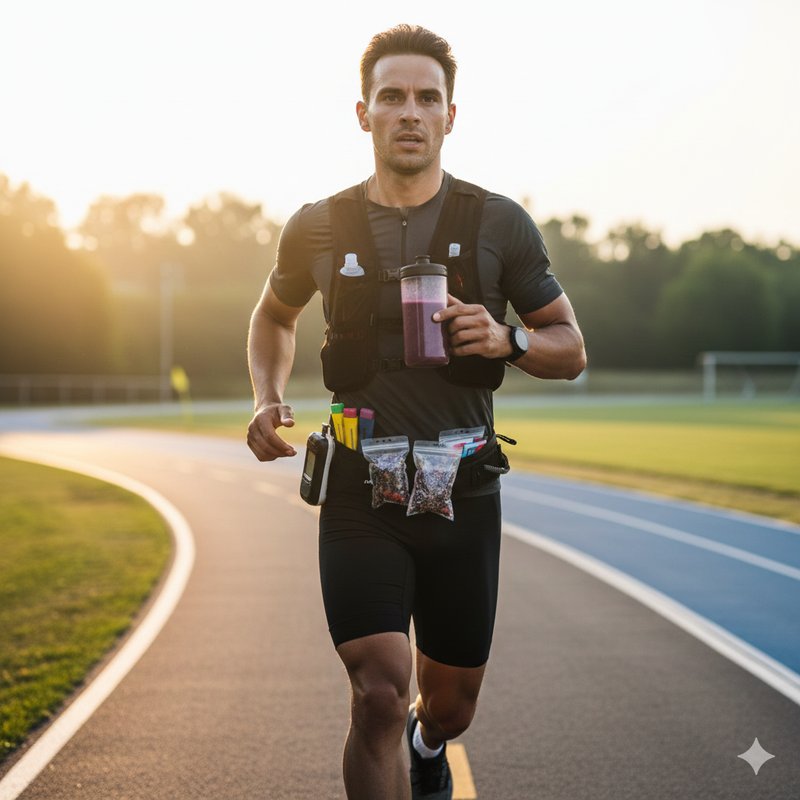
Endurance athletes—runners, cyclists, swimmers, and triathletes—have unique nutritional needs. Proper fueling can make the difference between hitting your personal best or burning out mid-race. At TrainerList.ca, we’ve compiled expert-backed nutrition tips for endurance athletes to help you maximize performance, recover faster, and stay healthy.
1. Prioritize Carbohydrates for Energy
Carbohydrates are the primary fuel source for endurance activities. Complex carbs provide sustained energy, while simple carbs can boost energy during workouts.
Before training: Eat a carb-rich meal 2–3 hours prior (e.g., oatmeal, whole-grain toast, banana).
During exercise: Consume 30–60g of carbs per hour in long sessions (energy gels, sports drinks, or fruit).
After training: Replenish glycogen stores with a carb-focused meal combined with protein.
2. Don’t Skip Protein
Protein is essential for muscle repair and recovery, even for endurance athletes. Aim for 1.2–1.6g per kg of body weight daily.
Sources: Lean meats, fish, eggs, dairy, or plant-based proteins like lentils and quinoa.
Tip: Pair protein with carbs post-workout for optimal muscle recovery.
3. Stay Hydrated
Dehydration can impair performance and recovery. Water is crucial, but during long sessions, electrolytes are equally important.
Before exercise: Drink 400–600ml of water 1–2 hours before your workout.
During exercise: Consume fluids every 15–20 minutes; include sodium, potassium, and magnesium for longer sessions.
After exercise: Replace lost fluids with water and electrolyte drinks.
4. Fuel With Healthy Fats
Fats provide long-lasting energy for long-distance activities. Focus on unsaturated fats from nuts, seeds, avocado, and olive oil.
Tip: Avoid high-fat meals immediately before exercise—they can slow digestion.
5. Timing Matters
Pre-workout: Eat a light meal 1–3 hours before training to avoid stomach discomfort.
During workout: Consume carbs for sessions longer than 60 minutes.
Post-workout: Within 30–60 minutes, eat a carb + protein meal to accelerate recovery.
6. Micronutrients Are Key
Endurance athletes often need more vitamins and minerals:
Iron: Essential for oxygen transport; found in red meat, lentils, spinach.
Calcium & Vitamin D: Support bone health.
Magnesium & Potassium: Help with muscle function and cramp prevention.
7. Supplements Can Help, But Don’t Replace Food
While whole foods are best, certain supplements can support performance:
Electrolyte tablets or powders for long sessions
Protein powders like whey or plant-based options for recovery
Omega-3s for inflammation support
Key Takeaway
Endurance success is fueled by smart nutrition. Focus on carbs, protein, hydration, healthy fats, and micronutrients, and your body will be ready to perform at its peak.
At TrainerList.ca, we’re dedicated to helping athletes of all levels maximize their potential through science-backed nutrition advice.
Nutrition Tips for Endurance Athletes | TrainerList.ca
Endurance athletes—runners, cyclists, swimmers, and triathletes—have unique nutritional needs. Proper fueling can make the difference between hitting your personal best or burning out mid-race. At TrainerList.ca, we’ve compiled expert-backed nutrition tips for endurance athletes to help you maximize performance, recover faster, and stay healthy.
1. Prioritize Carbohydrates for Energy
Carbohydrates are the primary fuel source for endurance activities. Complex carbs provide sustained energy, while simple carbs can boost energy during workouts.
Before training: Eat a carb-rich meal 2–3 hours prior (e.g., oatmeal, whole-grain toast, banana).
During exercise: Consume 30–60g of carbs per hour in long sessions (energy gels, sports drinks, or fruit).
After training: Replenish glycogen stores with a carb-focused meal combined with protein.
2. Don’t Skip Protein
Protein is essential for muscle repair and recovery, even for endurance athletes. Aim for 1.2–1.6g per kg of body weight daily.
Sources: Lean meats, fish, eggs, dairy, or plant-based proteins like lentils and quinoa.
Tip: Pair protein with carbs post-workout for optimal muscle recovery.
3. Stay Hydrated
Dehydration can impair performance and recovery. Water is crucial, but during long sessions, electrolytes are equally important.
Before exercise: Drink 400–600ml of water 1–2 hours before your workout.
During exercise: Consume fluids every 15–20 minutes; include sodium, potassium, and magnesium for longer sessions.
After exercise: Replace lost fluids with water and electrolyte drinks.
4. Fuel With Healthy Fats
Fats provide long-lasting energy for long-distance activities. Focus on unsaturated fats from nuts, seeds, avocado, and olive oil.
Tip: Avoid high-fat meals immediately before exercise—they can slow digestion.
5. Timing Matters
Pre-workout: Eat a light meal 1–3 hours before training to avoid stomach discomfort.
During workout: Consume carbs for sessions longer than 60 minutes.
Post-workout: Within 30–60 minutes, eat a carb + protein meal to accelerate recovery.
6. Micronutrients Are Key
Endurance athletes often need more vitamins and minerals:
Iron: Essential for oxygen transport; found in red meat, lentils, spinach.
Calcium & Vitamin D: Support bone health.
Magnesium & Potassium: Help with muscle function and cramp prevention.
7. Supplements Can Help, But Don’t Replace Food
While whole foods are best, certain supplements can support performance:
Electrolyte tablets or powders for long sessions
Protein powders like whey or plant-based options for recovery
Omega-3s for inflammation support
Key Takeaway
Endurance success is fueled by smart nutrition. Focus on carbs, protein, hydration, healthy fats, and micronutrients, and your body will be ready to perform at its peak.
At TrainerList.ca, we’re dedicated to helping athletes of all levels maximize their potential through science-backed nutrition advice.
About Admin
TrainerList.ca Team
Related Articles





Comments (0)
No comments yet. Be the first to share your thoughts!