

7 Overlooked Sports Nutrition Strategies to Boost Performance | TrainerList.ca
Admin
7 Overlooked Sports Nutrition Strategies to Boost Performance | TrainerList.ca
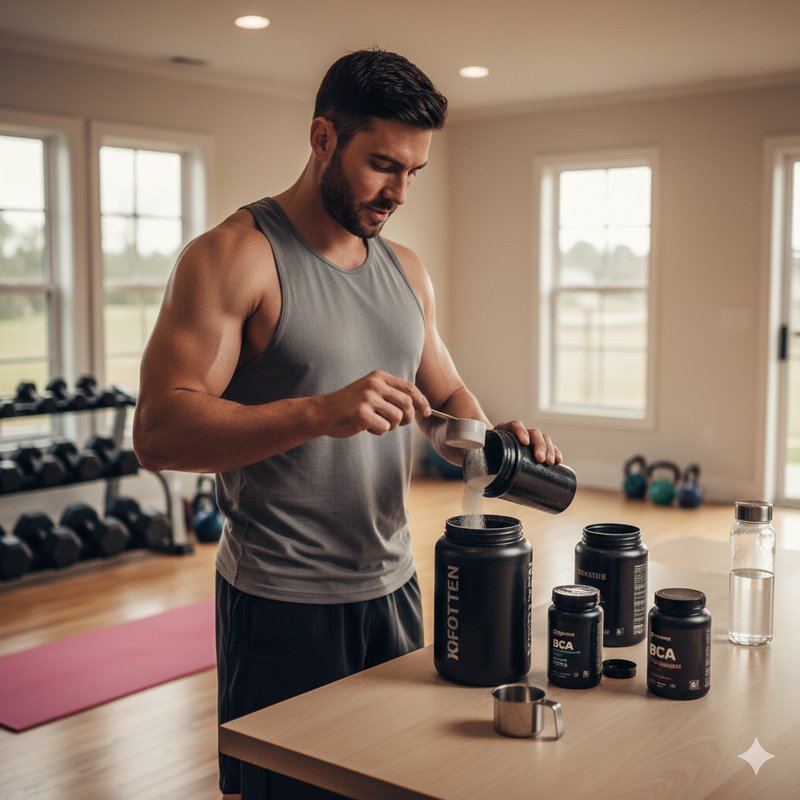
Most athletes focus on protein shakes, carb loading, and hydration—but did you know that small nutrition tweaks can have a big impact on performance? At TrainerList.ca, we explore 7 overlooked sports nutrition strategies that elite athletes swear by.
1. Timing Your Electrolytes
Hydration isn’t just about water. Sodium, potassium, magnesium, and calcium are crucial for muscle function and preventing cramps.
Before workouts: Lightly salted snacks can help retain water.
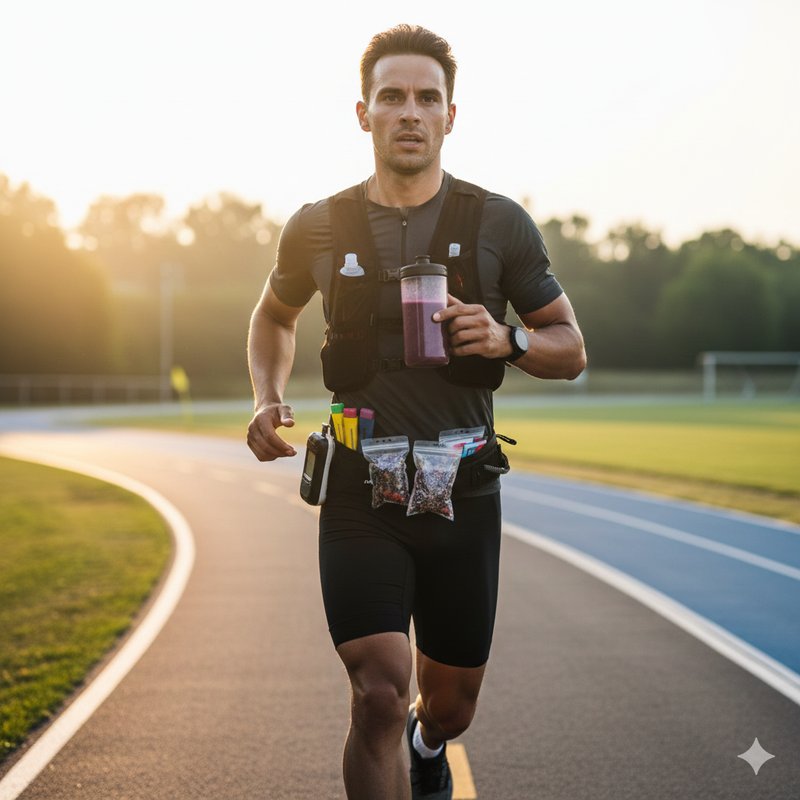
During endurance sessions: Electrolyte drinks or tablets prevent fatigue.
After exercise: Replenish lost minerals to speed recovery.
2. Incorporating Nitrate-Rich Foods
Foods like beets, spinach, and arugula are rich in nitrates, which improve blood flow and oxygen delivery to muscles.
Benefit: Enhanced endurance and delayed fatigue.
Tip: Drink beetroot juice 2–3 hours before long workouts or races.
3. Strategic Caffeine Use
Caffeine can boost focus, endurance, and perceived effort, but timing is key.
Best consumed 30–60 minutes before exercise.
Avoid excessive intake to prevent jitters or sleep disruption.
4. Omega-3 Fatty Acids for Recovery
Omega-3s reduce inflammation, support joint health, and improve recovery.
Sources: Salmon, chia seeds, flaxseeds, or supplements.
Helps endurance athletes recover faster and reduces post-workout soreness.
5. High-Quality Carbs, Not Just Quantity
Carb loading is common, but the type of carbs matters.
Favor whole grains, fruits, and vegetables over sugary snacks.
These provide sustained energy and micronutrients that support overall health.
6. Probiotic and Gut Health
A healthy gut improves nutrient absorption and immunity.
Fermented foods like yogurt, kefir, kimchi, or probiotics can enhance digestion.
Supports overall performance by keeping athletes healthy during heavy training.
7. Mindful Eating and Recovery Meals
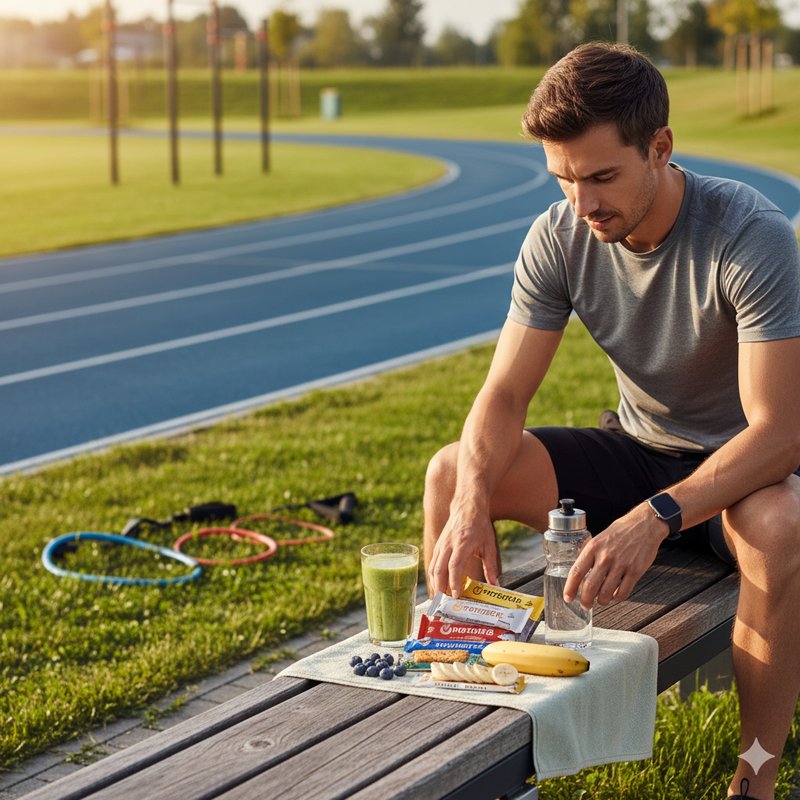
Post-workout meals are not just about protein—they should include a balance of carbs, protein, and fats for optimal recovery.
Eat within 30–60 minutes after exercise.
Include colorful vegetables to provide antioxidants and reduce inflammation.
Key Takeaways
Elite performance isn’t just about hitting the gym harder—it’s also about strategic nutrition. By paying attention to electrolytes, nitrates, healthy fats, gut health, and meal timing, athletes can improve energy, recovery, and endurance.
At TrainerList.ca, we aim to provide unique, science-backed sports nutrition strategies that go beyond the basics.
7 Overlooked Sports Nutrition Strategies to Boost Performance | TrainerList.ca
Most athletes focus on protein shakes, carb loading, and hydration—but did you know that small nutrition tweaks can have a big impact on performance? At TrainerList.ca, we explore 7 overlooked sports nutrition strategies that elite athletes swear by.
1. Timing Your Electrolytes
Hydration isn’t just about water. Sodium, potassium, magnesium, and calcium are crucial for muscle function and preventing cramps.
Before workouts: Lightly salted snacks can help retain water.
During endurance sessions: Electrolyte drinks or tablets prevent fatigue.
After exercise: Replenish lost minerals to speed recovery.
2. Incorporating Nitrate-Rich Foods
Foods like beets, spinach, and arugula are rich in nitrates, which improve blood flow and oxygen delivery to muscles.
Benefit: Enhanced endurance and delayed fatigue.
Tip: Drink beetroot juice 2–3 hours before long workouts or races.
3. Strategic Caffeine Use
Caffeine can boost focus, endurance, and perceived effort, but timing is key.
Best consumed 30–60 minutes before exercise.
Avoid excessive intake to prevent jitters or sleep disruption.
4. Omega-3 Fatty Acids for Recovery
Omega-3s reduce inflammation, support joint health, and improve recovery.
Sources: Salmon, chia seeds, flaxseeds, or supplements.
Helps endurance athletes recover faster and reduces post-workout soreness.
5. High-Quality Carbs, Not Just Quantity
Carb loading is common, but the type of carbs matters.
Favor whole grains, fruits, and vegetables over sugary snacks.
These provide sustained energy and micronutrients that support overall health.
6. Probiotic and Gut Health
A healthy gut improves nutrient absorption and immunity.
Fermented foods like yogurt, kefir, kimchi, or probiotics can enhance digestion.
Supports overall performance by keeping athletes healthy during heavy training.
7. Mindful Eating and Recovery Meals
Post-workout meals are not just about protein—they should include a balance of carbs, protein, and fats for optimal recovery.
Eat within 30–60 minutes after exercise.
Include colorful vegetables to provide antioxidants and reduce inflammation.
Key Takeaways
Elite performance isn’t just about hitting the gym harder—it’s also about strategic nutrition. By paying attention to electrolytes, nitrates, healthy fats, gut health, and meal timing, athletes can improve energy, recovery, and endurance.
At TrainerList.ca, we aim to provide unique, science-backed sports nutrition strategies that go beyond the basics.
About Admin
TrainerList.ca Team
Related Articles



Comments (0)
No comments yet. Be the first to share your thoughts!